Strolling the Target aisles. I get weepy.
They care about me. Better sleep. Better gut health. The latest items to convince myself my bathroom is a spa.
For years, health & wellness largely lived in predictable corners of retail: supplements, organics, fitness, and pharmacy. Today, that definition has expanded dramatically because consumers want more.
Consumers increasingly view wellness through a much broader lens that includes nutrition, personal care, beauty, sleep, stress management, and connected technology. Retailers are responding accordingly, not simply by adding more wellness products, but by rethinking how wellness shows up across the entire shopping experience.
And the numbers help explain why.
McKinsey estimates that U.S. consumers are now spending roughly $500 billion annually on products and services tied to wellness, including sleep, nutrition, fitness, mindfulness, appearance, and preventative health. Add to that the fact that 84% of Americans say wellness is a “top” or “important” priority.

But why should retailers care? These consumers tend to:
• Shop more intentionally
• Engage more deeply with products and information
• Explore adjacent categories
• Seek personalization
• Build larger baskets around interconnected needs and routines
At the same time, consumers increasingly expect wellness experiences to feel seamless whether they are:
• Shopping online
• Walking physical aisles
• Browsing retailer apps
• Receiving personalized recommendations
• Discovering products through retail media
The expectation is no longer simply product availability. It is a connected wellness ecosystem that flows consistently across digital and physical touchpoints. Wellness, or rather the wellness consumer, is becoming the catalyst for several retailers’ growth strategies.
Retailers Are Redefining What Wellness Means
One of the biggest shifts happening right now is that retailers are expanding wellness far beyond traditional “healthy living” aisles.
Target: Rebuilding Emotional Connection Through Wellness
Target may be one of the clearest examples of how strategically important wellness has become to retail growth.
After years of softer performance and losing some of the differentiated “Tar-zhay” positioning that once made the retailer feel culturally relevant and discovery-oriented, Target is increasingly leaning into wellness as a way to rebuild deeper emotional engagement with consumers.
What makes the strategy particularly interesting is how broadly the retailer now defines wellness.
According to Forbes, wellness is increasingly being integrated across nearly every department at Target. The retailer has reportedly added thousands of new wellness products while emphasizing cleaner ingredients, transparency, and solutions that combine wellness with style and design.
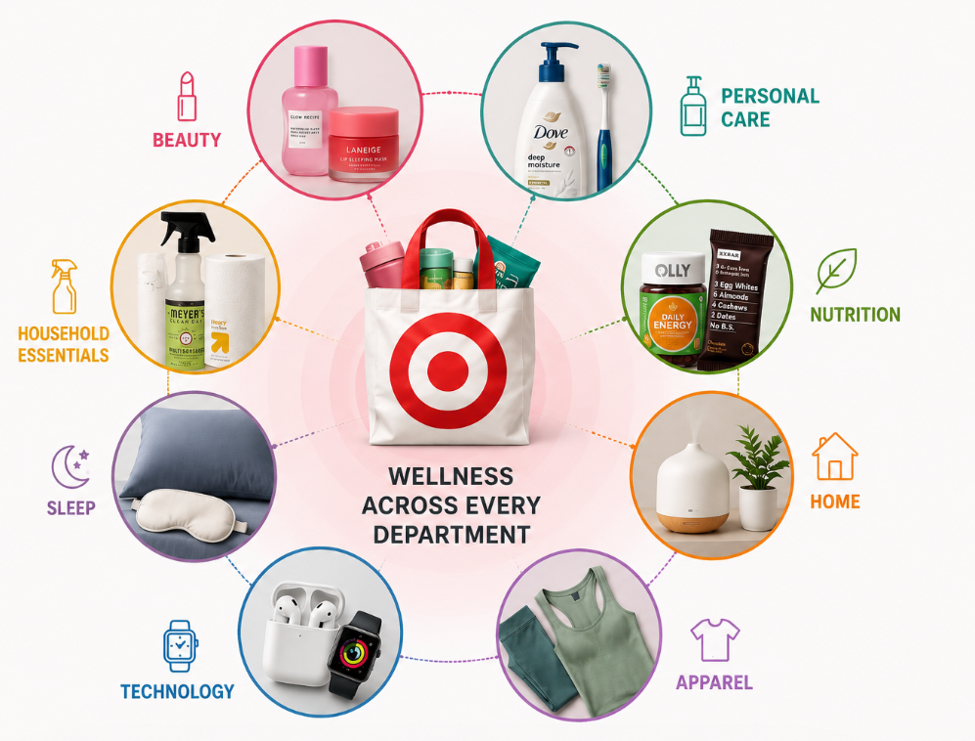
That broader framing matters because Target is trying to create a more connected lifestyle ecosystem that encourages cross-category discovery and larger baskets.
In many ways, wellness helps Target reconnect with the aspirational discovery-driven shopping experience that historically differentiated the brand from other mass retailers.
Kroger: From Clinics to Lifestyle Wellness
Kroger’s recent moves highlight an important shift happening across retail wellness strategy.
For years, many retailers approached wellness through healthcare delivery models including in-store clinics and medical services. But increasingly, retailers are realizing consumers may engage more naturally with wellness through everyday lifestyle categories rather than clinical environments.
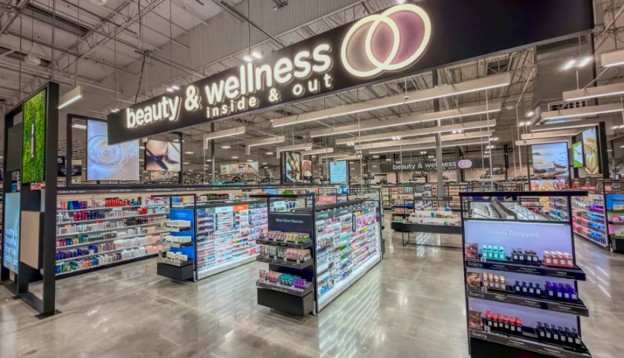
Kroger’s recent decision to close a number of Little Clinic locations while simultaneously investing more aggressively in beauty and wellness merchandising reflects that broader evolution.
According to WWD, Kroger is redesigning beauty and wellness departments, expanding assortments, and bringing in trend-driven and viral brands to create a more discovery-oriented experience.
That shift is significant.
Rather than positioning wellness primarily through healthcare services, Kroger is increasingly embedding it into categories consumers already browse regularly. The strategy makes wellness feel more approachable, habitual, and integrated into everyday shopping behavior.

At the same time, Kroger continues expanding wellness-oriented experiences through initiatives like its Wellness Tour and in-store wellness activations, reinforcing the idea that retailers increasingly want wellness woven into the broader shopping journey rather than isolated in a clinical corner of the store.
Ulta Beauty: The Blurring of Beauty and Wellness
Beauty may be one of the clearest examples of wellness expansion.
Ulta continues evolving beyond traditional cosmetics into areas that intersect with self-care, emotional wellbeing, and lifestyle rituals. Wellness-oriented beauty, ingestibles, stress-support products, and self-care positioning are becoming increasingly common throughout the category.
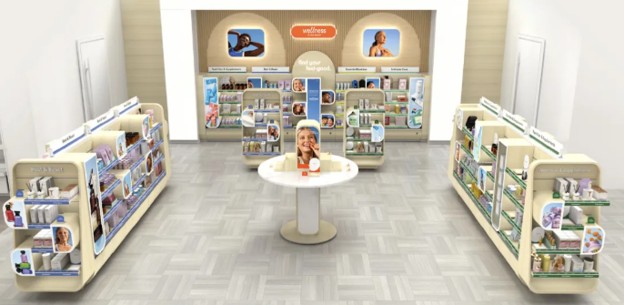
Importantly, the experience feels connected both digitally and physically.
Consumers may discover wellness products online through content, recommendations, or influencer partnerships, then continue that journey seamlessly in-store through merchandising, education, and trial.
That omnichannel consistency is becoming increasingly important as consumers move fluidly between physical and digital retail environments.
The Brands Winning at Retail Are Aligning With Broader Wellness Ecosystems
The most successful wellness brands today are doing more than selling products.
They are helping retailers reinforce larger wellness ambitions.
OLLY: Making Wellness More Approachable
OLLY helped modernize how wellness shows up at retail.
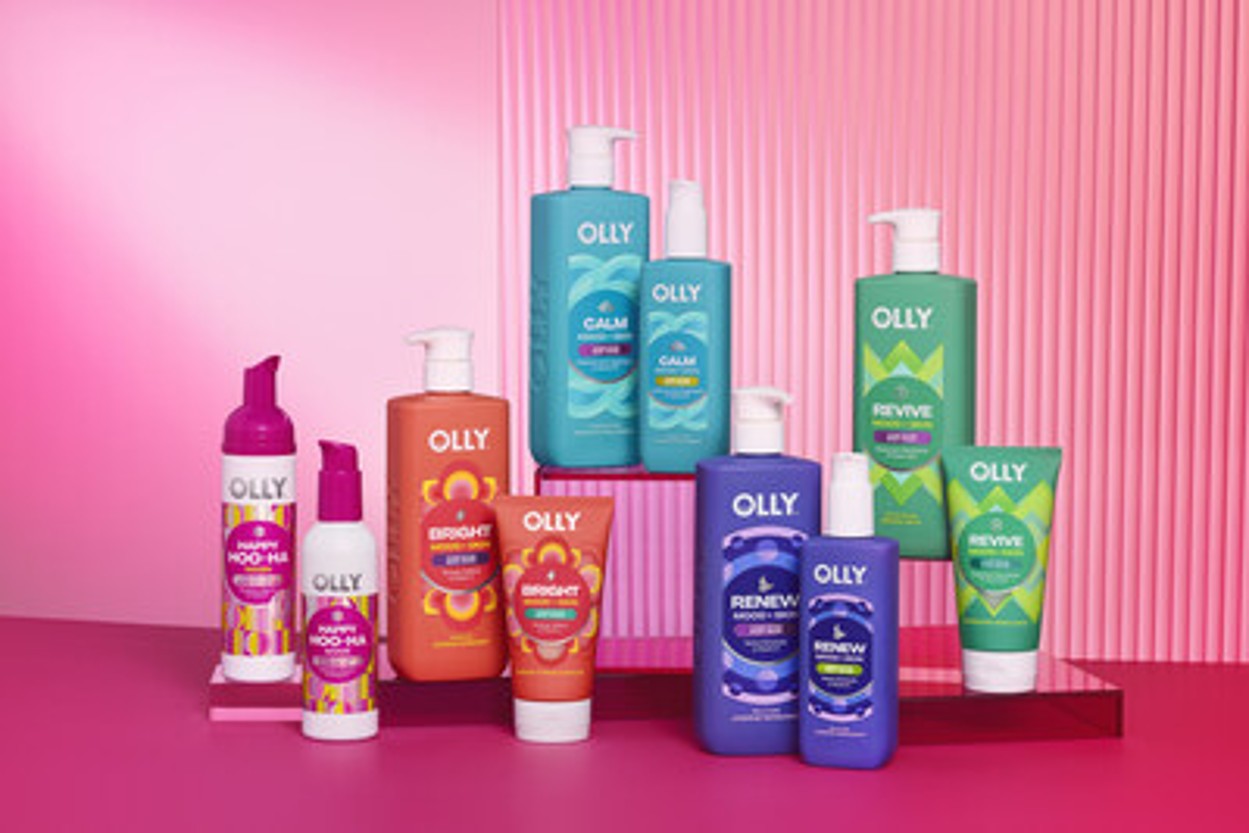
Rather than presenting supplements through a highly clinical lens, the brand introduced a more approachable, emotionally engaging, and lifestyle-oriented experience. Bright packaging, simplified communication, and benefit-forward messaging helped make wellness easier for mainstream consumers to navigate.
What makes OLLY especially interesting today is how it continues expanding into adjacent wellness categories. That expansion closely mirrors how retailers themselves increasingly think about wellness: not as isolated products, but as interconnected consumer needs spanning multiple categories.
WHOOP: Expanding Into the ConsumerLifestyle
WHOOP offers another interesting example of how wellness brands are expanding beyond a single category.
Originally centered around performance tracking and recovery data, WHOOP increasingly evolved into a broader lifestyle ecosystem. Its expansion into apparel and WHOOP Body reflected a larger strategic move toward embedding the brand more naturally into the daily routines and environments of its consumers.
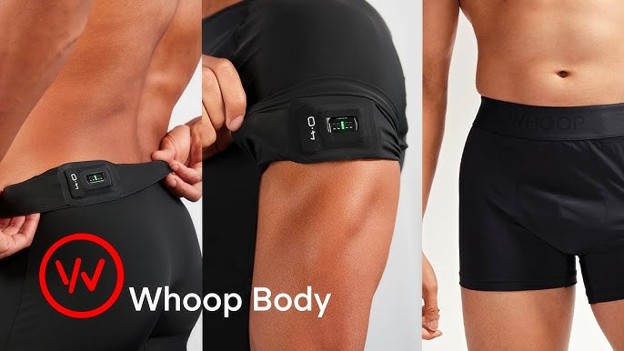
Rather than asking consumers to adapt around the device, WHOOP looked for ways to integrate itself into areas where its audience was already spending time. This type of ecosystem thinking is becoming increasingly attractive to retailers because it supports broader engagement opportunities across multiple touchpoints and categories.
It also reflects a larger shift happening throughout wellness retail:consumers increasingly want connected experiences, not disconnected products.
What This Means for Brands
As wellness continues reshaping retail strategy, brands need to think beyond simply claiming a health benefit.
Increasingly, retailers are looking for brands that help strengthen their broader wellness positioning and ecosystem ambitions.
That raises important strategic questions:
• Does the brand translate seamlessly online and in-store?
• Can the value proposition flex across retail environments?
• Does the packaging communicate quickly within crowded omnichannel experiences?
• Does the brand support adjacent category discovery?
• Does the positioning align with how retailers themselves define wellness?
The brands gaining traction are often the ones that understand not only the consumer they are targeting, but also the role the retailer wants wellness to play within its future growth strategy.
As health & wellness continues evolving, brands will increasingly need a deliberate strategy for how they build, communicate, and expand their value proposition across the broader retail ecosystem.
That strategy can no longer be an afterthought once the product reaches shelf. Increasingly, it needs to be built into the brand from the very beginning.
Building a Wellness Brand for Modern Retail
As retailers expand wellness across personal care, nutrition, beauty, sleep, and connected technology, brands have an opportunity to become part of broader consumer ecosystems. Success now requires more than launching a wellness product. Brands must align with both evolving consumer needs and the retailer’s larger wellness strategy across digital and physical touchpoints.
At Compass Marketing, we partner with innovative wellness brands to help them navigate this evolving retail landscape online, in-store, and within consumers’ everyday routines. Whether uncovering emerging consumer behaviors, refining brand positioning, identifying whitespace opportunities, or developing retail growth strategies, we help brands build stronger connections with both today’s wellness consumer and the retailers increasingly competing for them.

Annette is skilled at identifying growth opportunities and successfully guiding products from concept to launch. At Compass, she advises leading brands and category disruptors in the health & wellness, personal care and digital health sectors.
See All Works