Why DTC Self-Care Brands Are Moving to Retail and What Marketing Leaders Must Get Right
A significant number of emerging health and wellness brands begin as direct-to-consumer businesses. The model offers speed to market, control over storytelling, ownership of first-party data, and the ability to build strong subscription revenue. Plus, it’s cheaper when you are starting out.
Over the past decade, this pathway has fueled the rise of many supplement, hydration, functional nutrition, sleep, and personal care brands. Direct relationships allow brands to test positioning, refine claims, and build loyal communities before expanding distribution.
Yet 62% of category volume in health and wellness still happens in physical retail. Even digitally native consumers often discover, trial, and replenish self-care products in-store.
For brands in the self-care industry, expanding into retail stores is often the next natural step to complement the growth of online channels.
This article explores why that transition makes strategic sense specifically in self-care and what marketing leaders must get right to scale successfully.
Why Self-Care Is Structurally Suited for Retail Expansion
Self-care today spans both internal and external care. Internal categories include supplements, hydration, gut health, immunity, stress, and sleep. External categories include skincare, sun care, recovery tools, and topical solutions.
Consumers now view these products as daily health infrastructure rather than occasional indulgences.
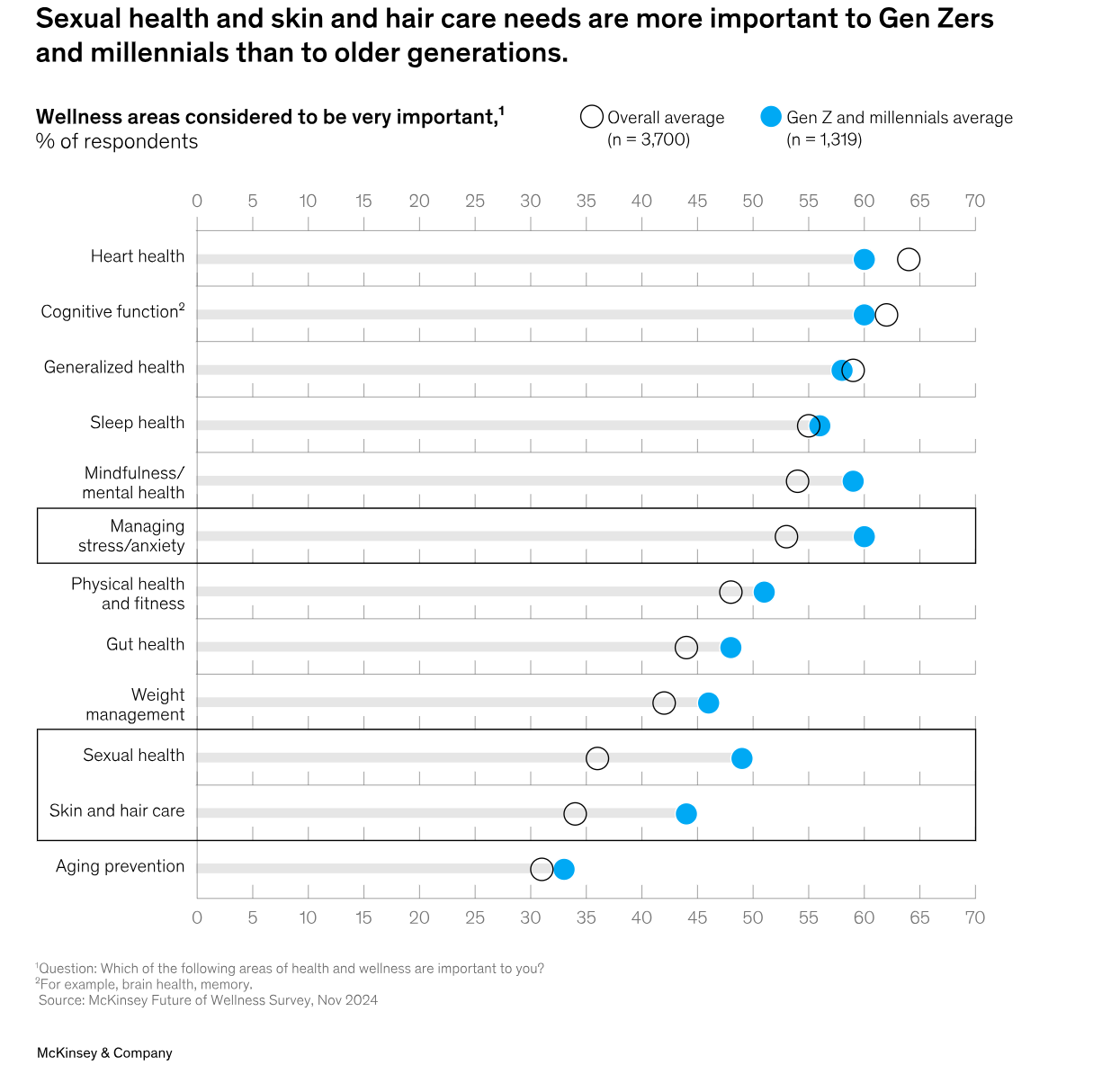
McKinsey estimates the global wellness market at over $1.8 trillion, with steady growth across supplements, nutrition, sleep, and preventive care. Interestingly enough, Gen Z and millennials’ prioritization of wellness is fairly consistent with that of older generations – except for stress, sexual health, and skin and hair care.
Self-care also benefits from physical discovery. Texture, packaging, size, and adjacent category placement influence purchase. Retail environments allow brands to participate in cross-category baskets, such as pairing hydration with fitness, sleep aids with magnesium snacks, or skincare with stress support.
Where DTC Brands Often Struggle
The transition from DTC to retail is not automatic.
In digital environments, brands can educate extensively. They can explain ingredient sourcing, mechanisms of action, and brand philosophy. Retail compresses the decision window into seconds.
Common friction points include:
Unclear benefit hierarchy: If shoppers cannot identify the core outcome immediately, conversion suffers.
Packaging built for digital, not shelf: Design systems that work beautifully online may lack visual blocking in-store.
Misalignment with retailer framing: Retailers interpret self-care differently. Brands must adapt without diluting positioning.
Limited retail media experience: Retail media networks now shape discovery and influence purchase. Many DTC-first teams underestimate this lever.
The solution is disciplined simplification paired with channel-specific execution.
How Retailers Frame Human Self-Care
Retailers are active participants in defining self-care.
Drugstore: CVS Health
Drugstore retailers position self-care within a broader health management journey. CVS has expanded its HealthHUB format to integrate services, screenings, and curated wellness assortments.

This environment prioritizes:
• Condition-based navigation
• Clinical credibility
• Preventive health framing
Brands that succeed here emphasize efficacy cues, certifications, and trusted benefit claims, particularly in areas such as sleep support, heart health, or immune function.
Mass Retail: Target
Target presents self-care as part of an accessible lifestyle ecosystem. Wellness products intersect with beauty, fitness, pantry, and seasonal assortments.
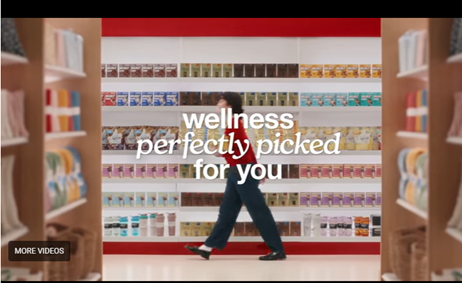
This year, Target kicked off its new ad campaign. The launch celebrates a 30% increase in Target’s wellness range, emphasizing its commitment to being your favorite place for everyday wellbeing.
The strategy emphasizes:
• Affordable wellness
• Trend-aware formats
• Cross-category discovery
For brands, success requires strong front-of-pack clarity, price discipline, and immediate benefit communication. Shelf presence must work quickly and visually.
Natural and Food Retail: Whole Foods Market
Whole Foods frames self-care through ingredient integrity and preventive nutrition.

This channel rewards:
• Transparent sourcing
• Clean-label formulations
• Science-backed functional benefits
Brands that connect internal care benefits with ingredient philosophy resonate strongly in this environment.
Brand Examples: DTC to Retail Done Well
Ritual
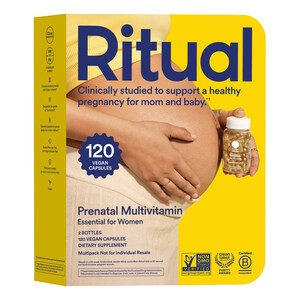
Ritual, launched in 2016, began as a digitally native supplement brand built around transparency and simplified formulations. Its traceable ingredient story created strong consumer trust online. Fast forward to now, the brand is surpassing $250 million in retail value and is in 300 Ulta Beauty stores nationwide. The brand already had Target (2023) and Whole Foods(2022) under its belt.
As Ritual expanded into retailers, it maintained:
• Minimalist packaging
• Clear benefit articulation
• Visible sourcing transparency
The brand translated digital trust into shelf clarity without overwhelming shoppers. Its disciplined hierarchy made it retail-ready while preserving brand identity. It is currently the #1 selling prenatal, according to its founder, Kat Schneider.
Liquid I.V.
Liquid I.V. launched with a clear hydration positioning and strong DTC performance. The brand focused on a single dominant promise around hydration efficiency.
As it expanded into mass and club retail channels, it emphasized:
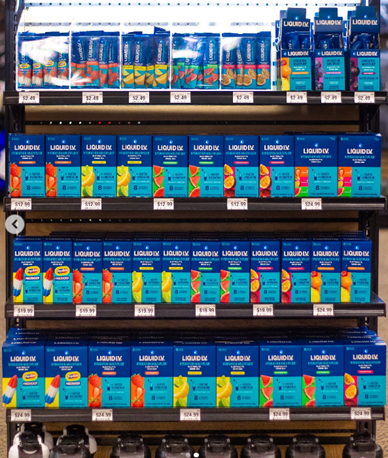
• Distinctive, high-visibility packaging
• Strong functional framing
• Cross-channel marketing support
Liquid I.V.’s growth trajectory ultimately led to its acquisition by Unilever for a reported $500 million. From there, it continued its expansion, reaching $1 billion by early 2026. Retail clarity, repeat usage behavior, and strong in-store blocking supported that scale.
What Marketing Leaders Must Get Right
If you're a health and wellness brand ready to grow beyond DTC, make sure to get these five key things right.
1) Define one dominant outcome per SKU.
Retail requires clarity. Lead with the benefit that drives purchase.
2) Design packaging for three-second comprehension.
Visual blocking, icon systems, and benefit hierarchy matter.
3) Align with retailer narrative.
Clinical framing fits drugstores. Lifestyle framing supports mass retail. Ingredient transparency resonates in natural grocery.
4) Invest in retail media early.
Sponsored placements and retailer search influence discovery.
5) Engineer for repeat behavior.
Self-care thrives on habit. Formats, sizes, and merchandising should reinforce routine use.
The Strategic Opportunity to Transition from DTC to Retail
Self-care is embedded in daily consumer life across internal and external care categories. The category structure supports repeat purchase, cross-category baskets, and preventive positioning.
Retail allows brands to:
• Increase household penetration
• Drive trial beyond core digital audiences
• Capture replenishment at scale
• Participate in high-frequency shopping trips
The brands that win will treat retail as a strategic growth platform rather than a distribution expansion.
At Compass Marketing Boston, we partner with health and wellness leaders navigating this transition. We help you identify the consumer tensions driving repeat purchase, define outcome-led positioning that scales across channels, and build retail-ready communication systems that convert in-store and online. From entry strategy and packaging hierarchy to innovation road maps grounded in real consumer behavior, we ensure your brand is built not just for presence, but for performance.

Annette is skilled at identifying growth opportunities and successfully guiding products from concept to launch. At Compass, she advises leading brands and category disruptors in the health & wellness, personal care and digital health sectors.
See All Works